

Texas Lone Star State Pocket Watch
Estimated value
$20 - $50
Pocket watch identification explained: learn what the scan's reported era, origin, material, and condition prove, and what checks still require inspection.
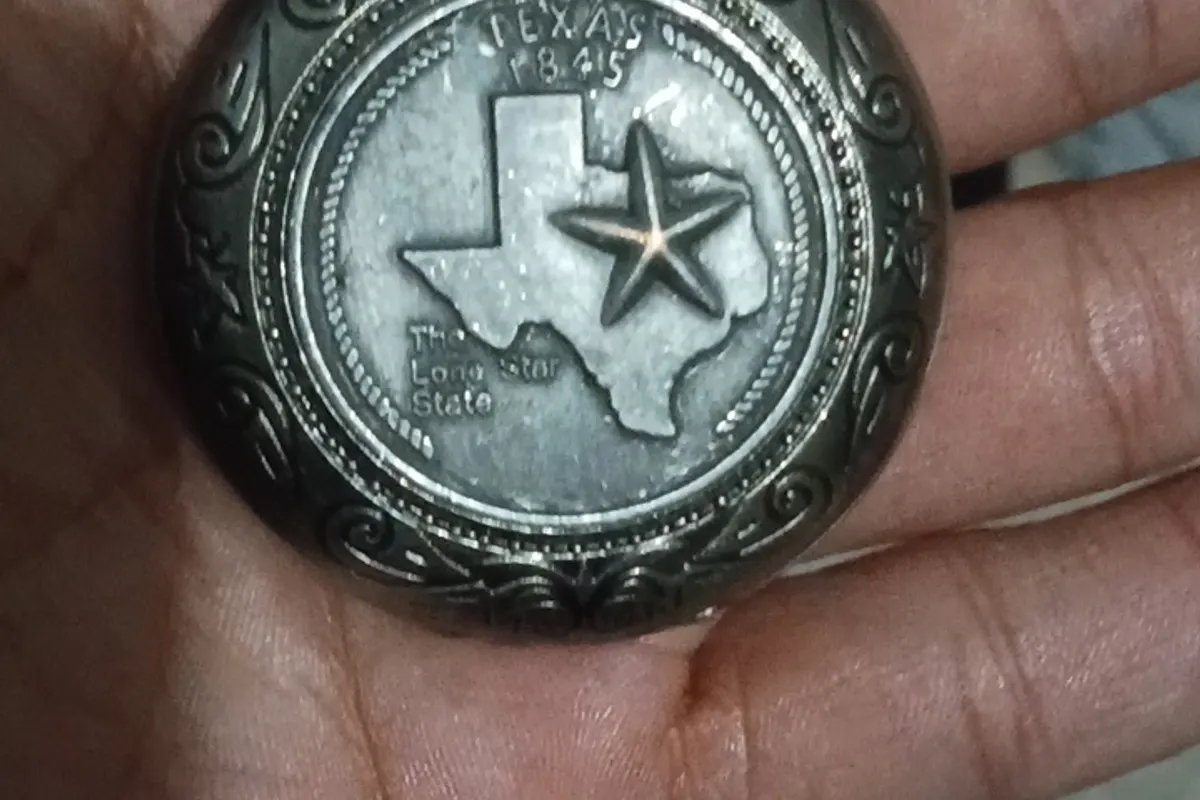
Identification summary
This identification result is built from the supplied scan fields rather than a visual appraisal. The scan reports the item as a metal pocket watch originating in the United States and dated to the '19th to early 20th century.'
Reported physical values include a diameter of approximately 2.5 inches and a weight near 100 grams. The scan lists the watch as a common collectible with unknown provenance and an estimated market range of $20–$50.
Era & Origin
| Era | 19th to early 20th century |
|---|---|
| Origin | United States |
Materials & Build
| Material | Metal (likely brass or similar alloy) |
|---|
Condition
| Condition | Used, some wear visible on the surface |
|---|
Physical Details
| Dimensions | Approx. 2.5 inches in diameter |
|---|---|
| Weight | Approximately 100 grams |
Rarity & Market
| Rarity | Common collectible, but specific design may vary in rarity |
|---|
Provenance
| Provenance | Unknown, likely personal or regional souvenir |
|---|
Market Value
| Estimated value | $20 - $50 |
|---|
Authentication
| Authentication data | No authentication records provided in the scan fields; identification is photo-report based |
|---|
Metadata
| Identified at | 2026-10-08T12:15:08.737Z |
|---|---|
| Scan confidence | Not provided |
Historical context
The scan's era value places this watch in the broad period when small American manufacturers and importers produced many affordable metal-cased watches for everyday use. Design and movement complexity varied widely across that period.
Because provenance is reported as Unknown and no maker marks were supplied in the scan fields, the watch is best treated as a common collectible example of its era unless further documentary or movement-level evidence appears.
Keep identifying
Browse more identifications across every category.
Browse all examplesRelated guides
Have your own antique identification identified
After reviewing this pocket watch identification example, consider using Antique Identifier to organize photos, keep movement and hallmark shots together, and compare visible clues across items. The app is a practical first step for sorting evidence before pursuing movement-level inspection or specialist appraisal: https://antiqueidentifierbypicture.app/tools/antique-identifier
Take the next step →Frequently asked questions
How reliable is antique identification from a single pocket watch photo?
A single photo or scan can confirm broad attributes reported here—era, origin, material, approximate size, and surface condition—but cannot reliably confirm maker, movement type, or full provenance. The scan's own fields provide useful grouping information; however, internal movement markings and serial numbers typically require inspection to reach higher certainty.
What does the reported market value in the scan actually represent?
The scan's 'Estimated value' of $20 - $50 is a reported range that reflects current market grouping for similar-looking, common collectible watches. It should be treated as indicative rather than definitive; final value depends on movement condition, maker confirmation, and documented provenance.
Can the scan confirm whether this watch is authentic or a reproduction?
The scan fields do not include authentication records, so authenticity cannot be confirmed here. Authentication usually requires examining movement markings, case hallmarks, and sometimes provenance documentation or an in-person assessment by a specialist.
How does antique identification change if more details are available?
Providing movement photos, inside-case hallmarks, or serial numbers typically raises identification confidence and can shift a watch from a common collectible band to a maker-attributed piece with a different market value. The scan's current fields give a starting point, but additional internal details are the usual path to a firmer identification.