

Pottery Marks IdentificationNov 13, 2026 8 min read
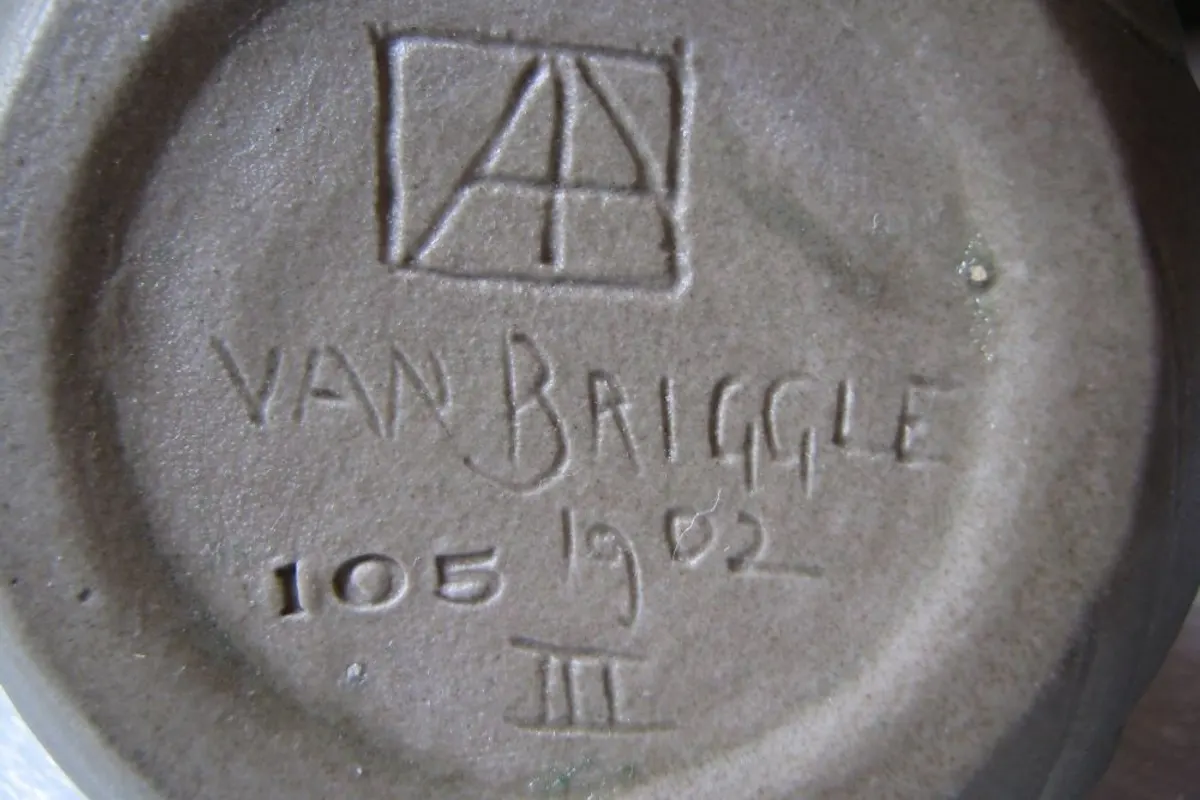
Van Briggle Pottery Marks: A Documented 1902 Example
A close view of a documented 1902 vase shows how to read a Van Briggle base mark and preserve the details needed for an attribution.
Antique guide library
Photo checklists, mark-reading tips, material clues, and careful next steps for researching vintage and antique objects.
New to researching an object? Start with our guide to how to identify antiques for a step-by-step approach to recording marks, materials, construction, and condition. Then browse the guides below for your object type.
A close view of a documented 1902 vase shows how to read a Van Briggle base mark and preserve the details needed for an attribution.
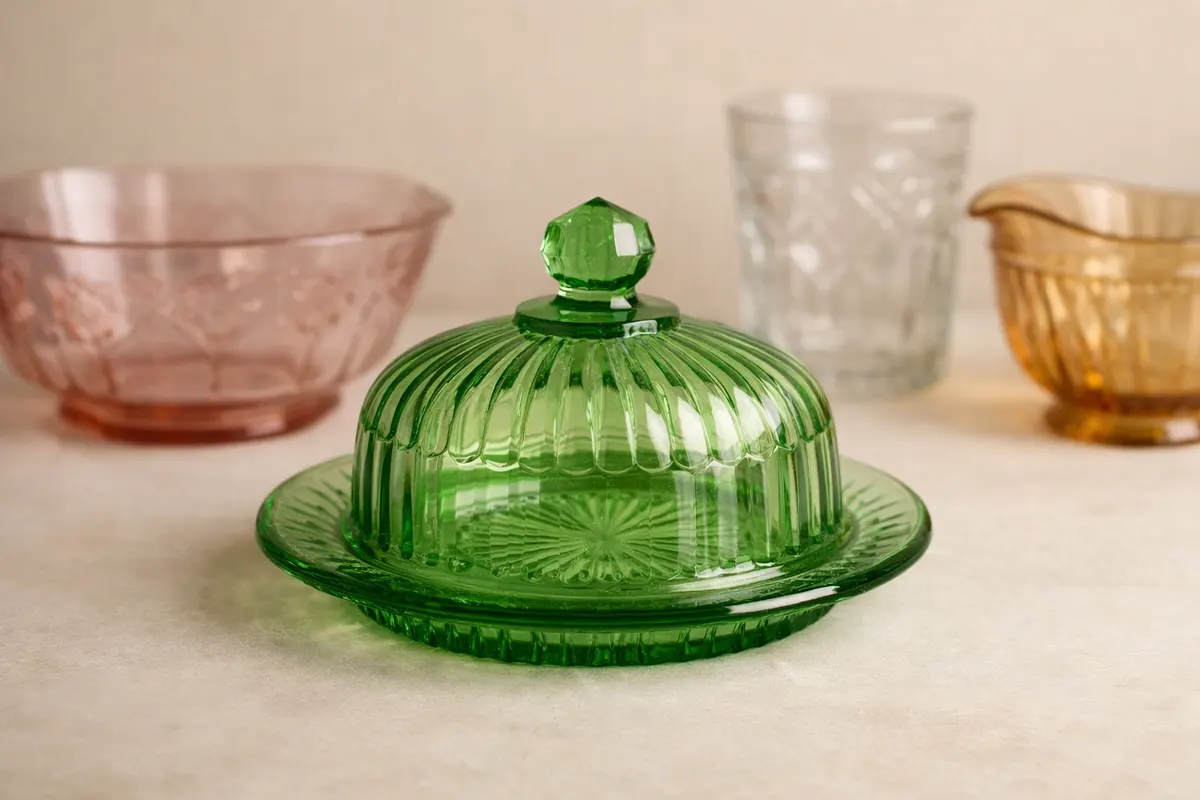
Research how to identify depression glass and compare an object against documented references. This guide shows the photo angles, visual clues, and traps to avoid when matching patterns and colors.
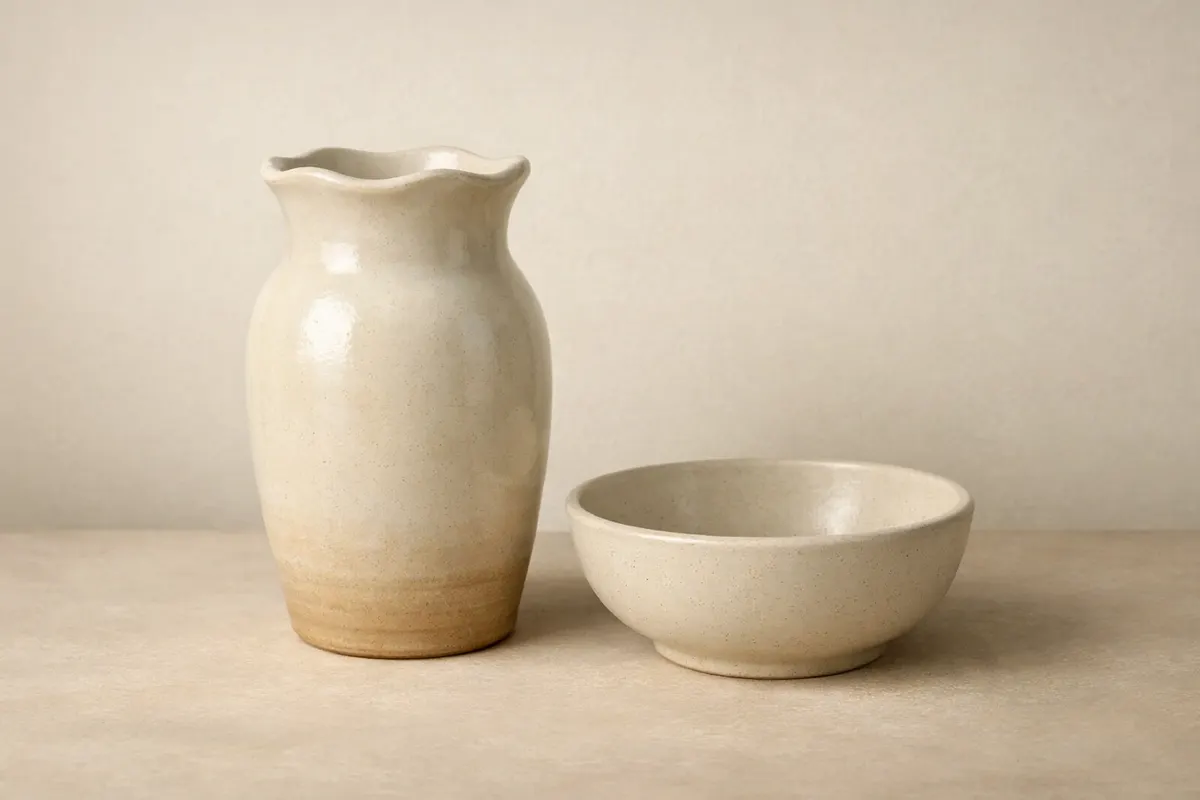
A practical look at mccoy pottery marks: which details to photograph, how to weigh conflicting clues, and when to verify beyond the picture.
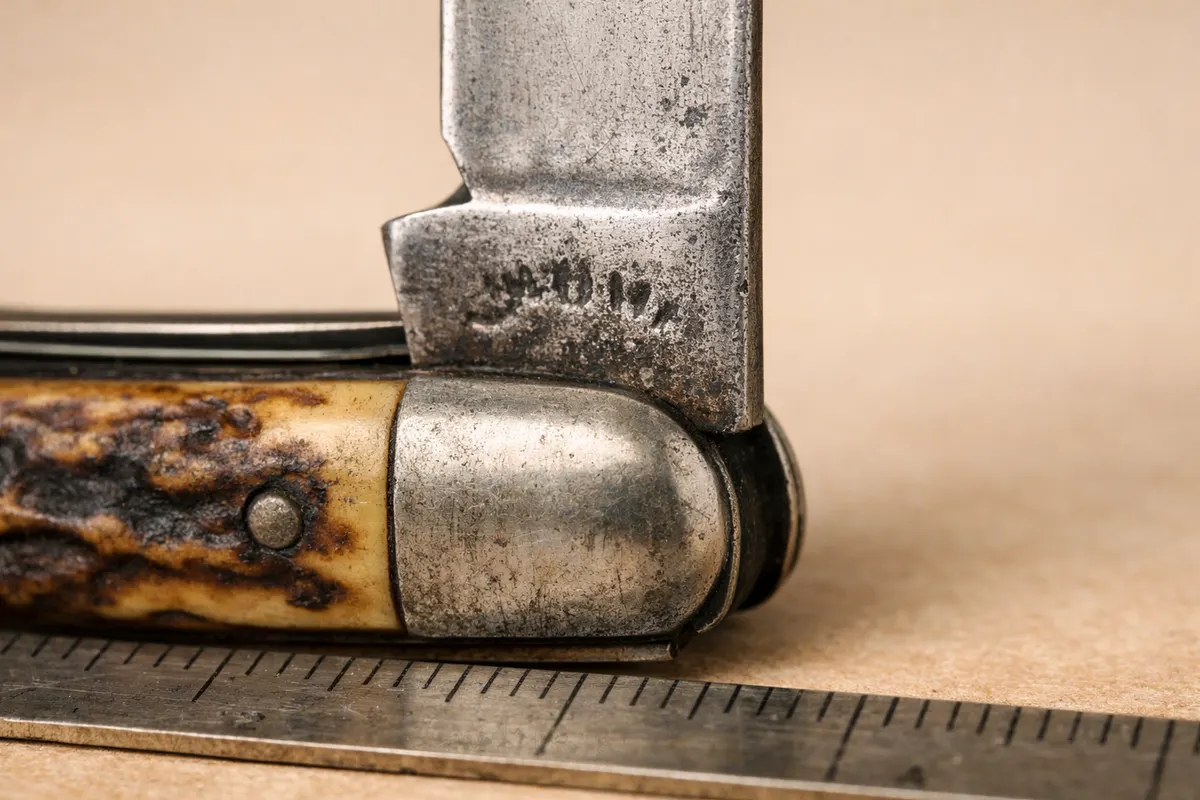
Identify collectible folding pocket knives through tang stamps, construction, pattern and originality checks. This guide gives a focused checklist for photographing stamps, spotting replacements…
Find the right collecting category for an object, understand where categories overlap, and choose specialist references for furniture, ceramics, glass, metalwork and more.
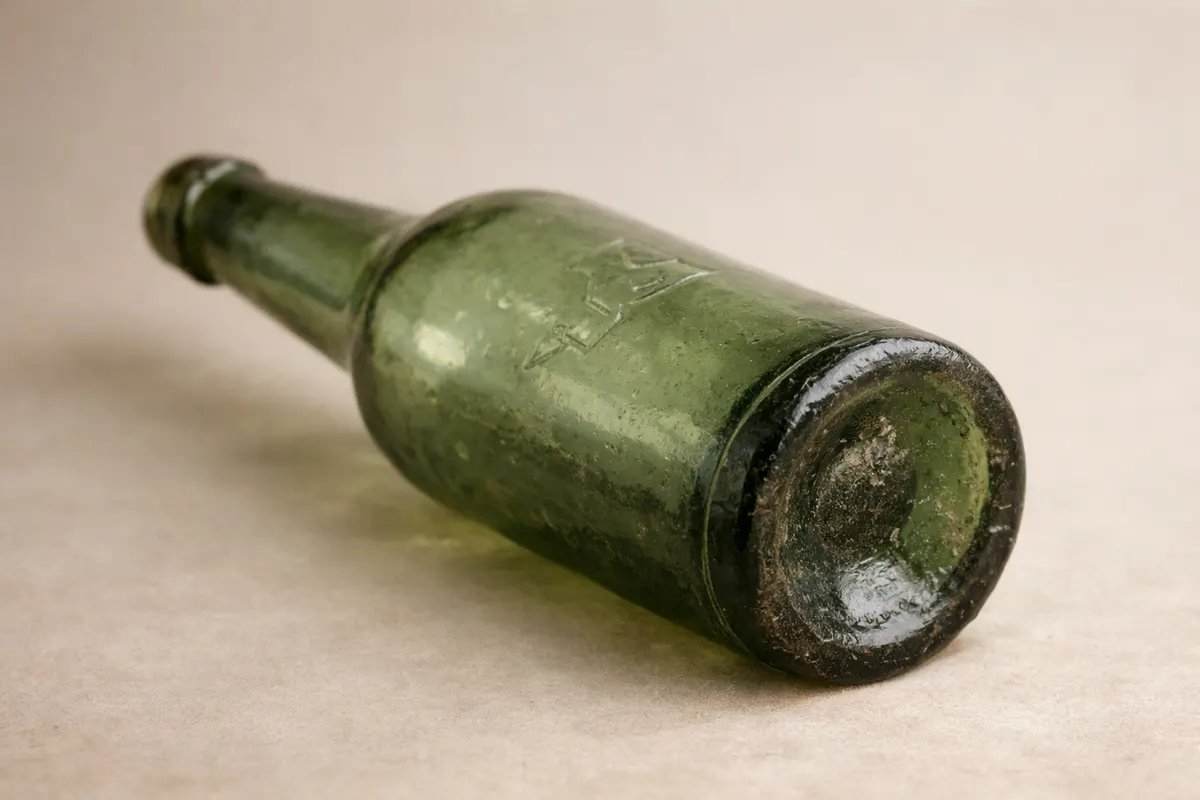
This guide walks through the visible clues, photo angles, and lookalike traps that matter for old bottle markings — and where a photo alone falls short.
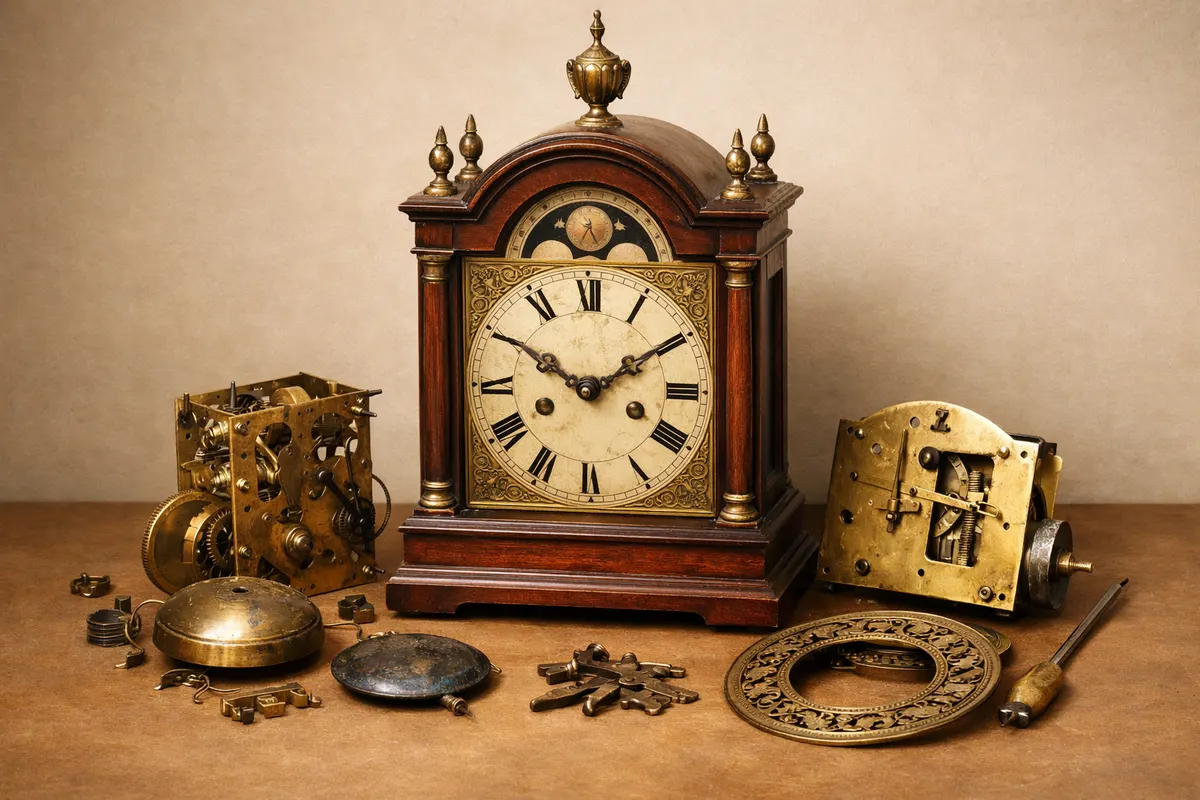
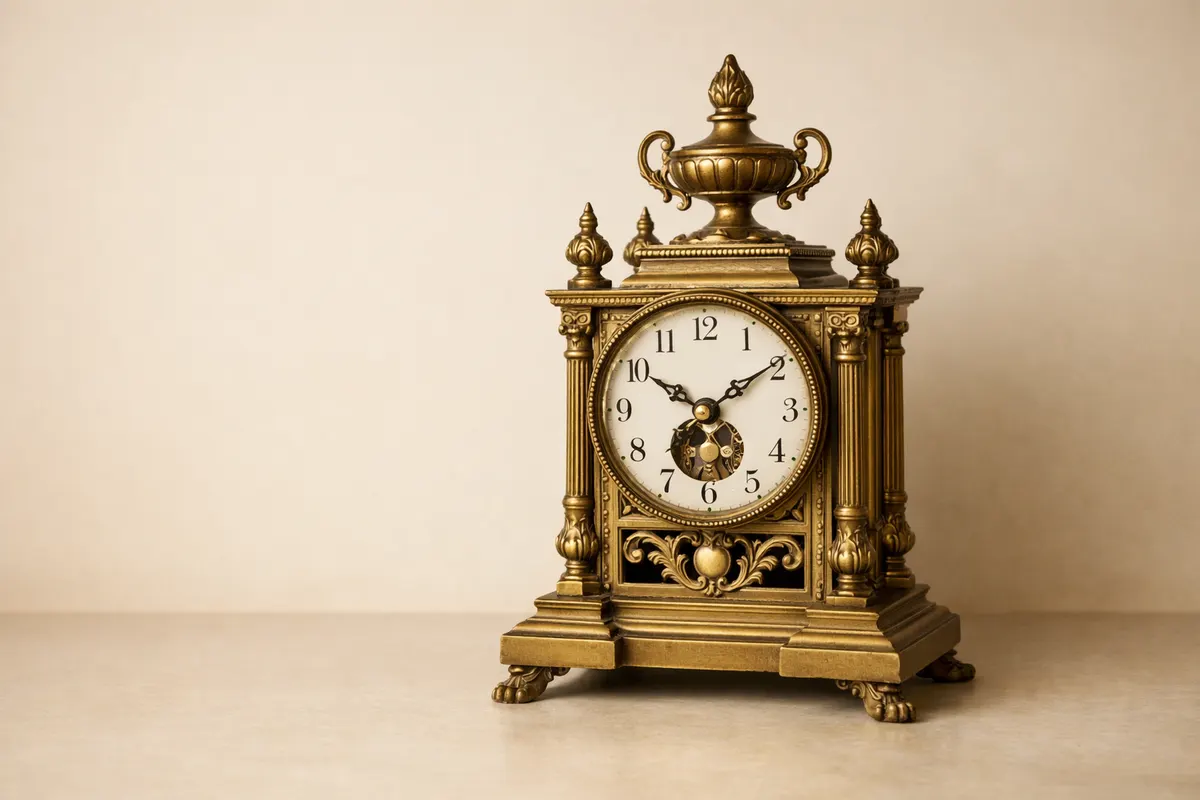
A practical, photo-first checklist for identifying antique clock makers: which marks and construction details matter, common pitfalls, and how to compare likely matches.
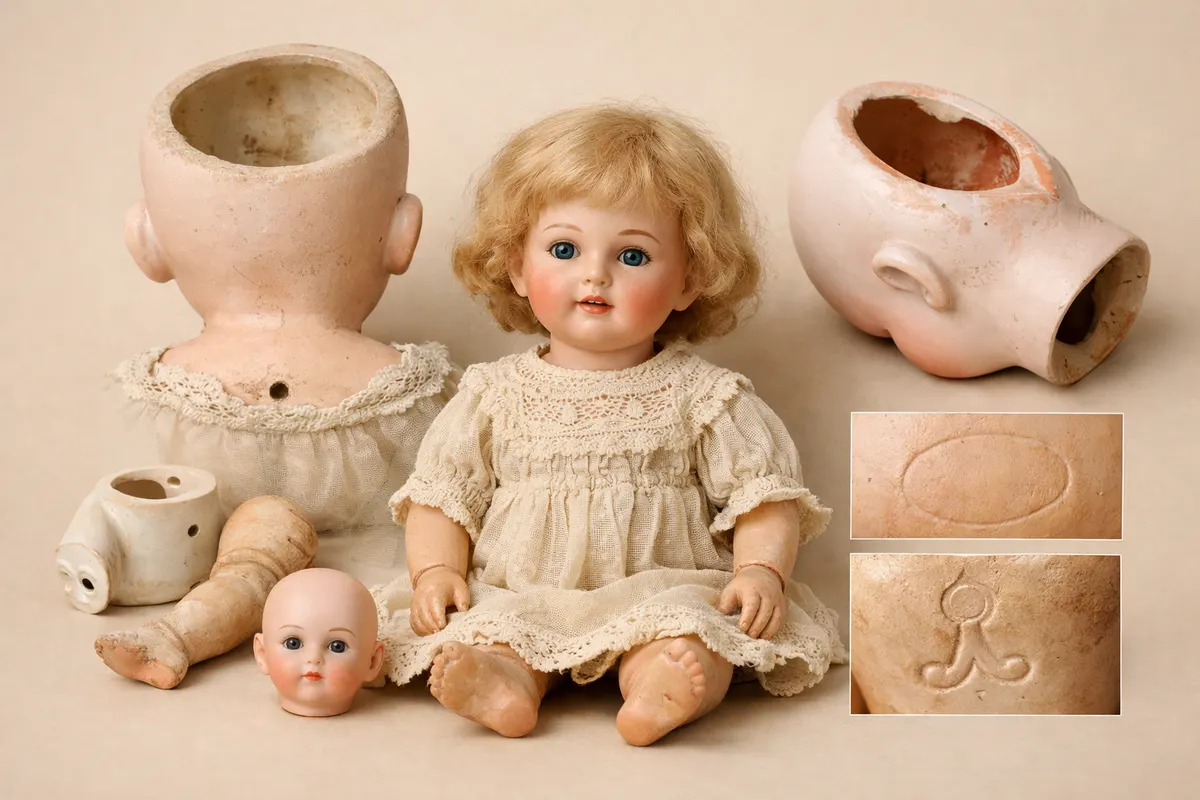
This guide walks through which visible clues on antique dolls matter, how to interpret maker stamps and materials, where photos fall short, and safe next steps to research identification.
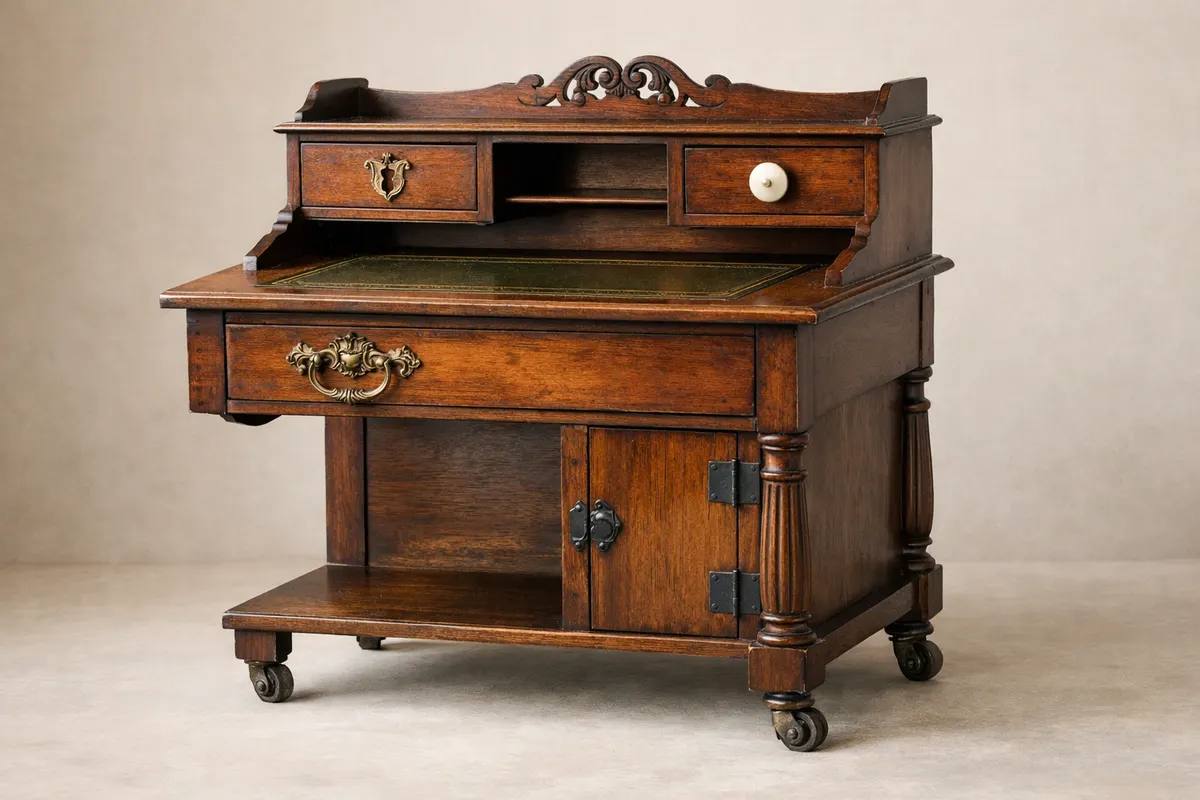
Help readers understand antique furniture styles using visible clues, context, comparisons, and safe next steps. This checklist covers shape, joinery, hardware, veneer, wear patterns, common lookalikes, and how to use a photo as a research starting point.
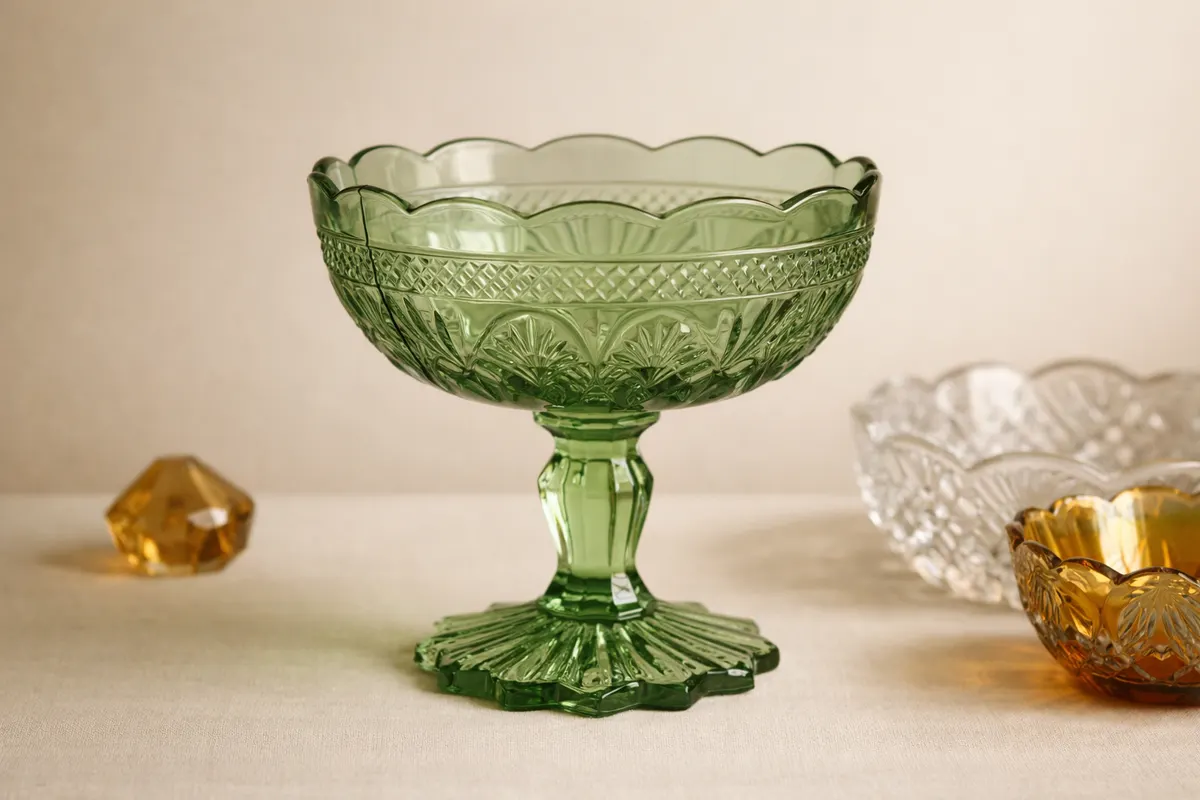
A focused checklist for vintage glassware patterns, showing which visible clues survive phone photos, common lookalikes, and safe next steps before verification.
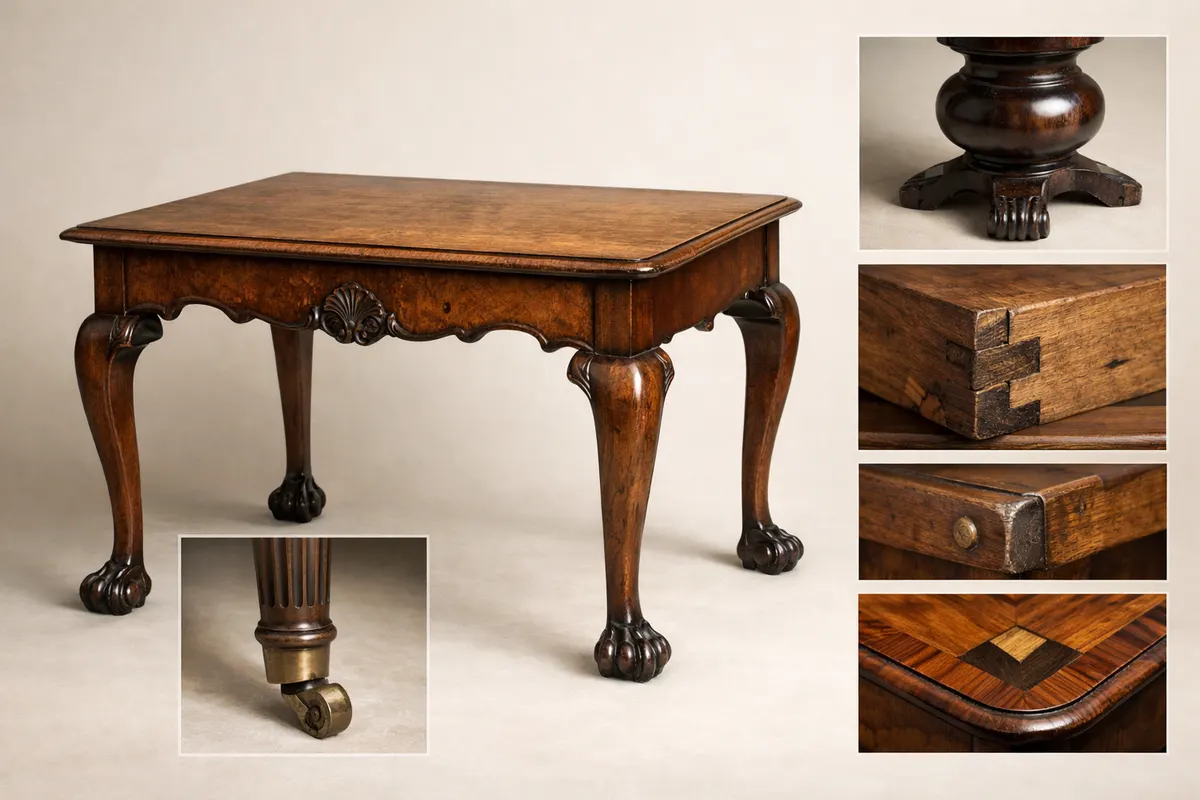
This guide walks through the visible clues, photo angles, and lookalike traps that matter for antique table styles — and where a photo alone falls short.
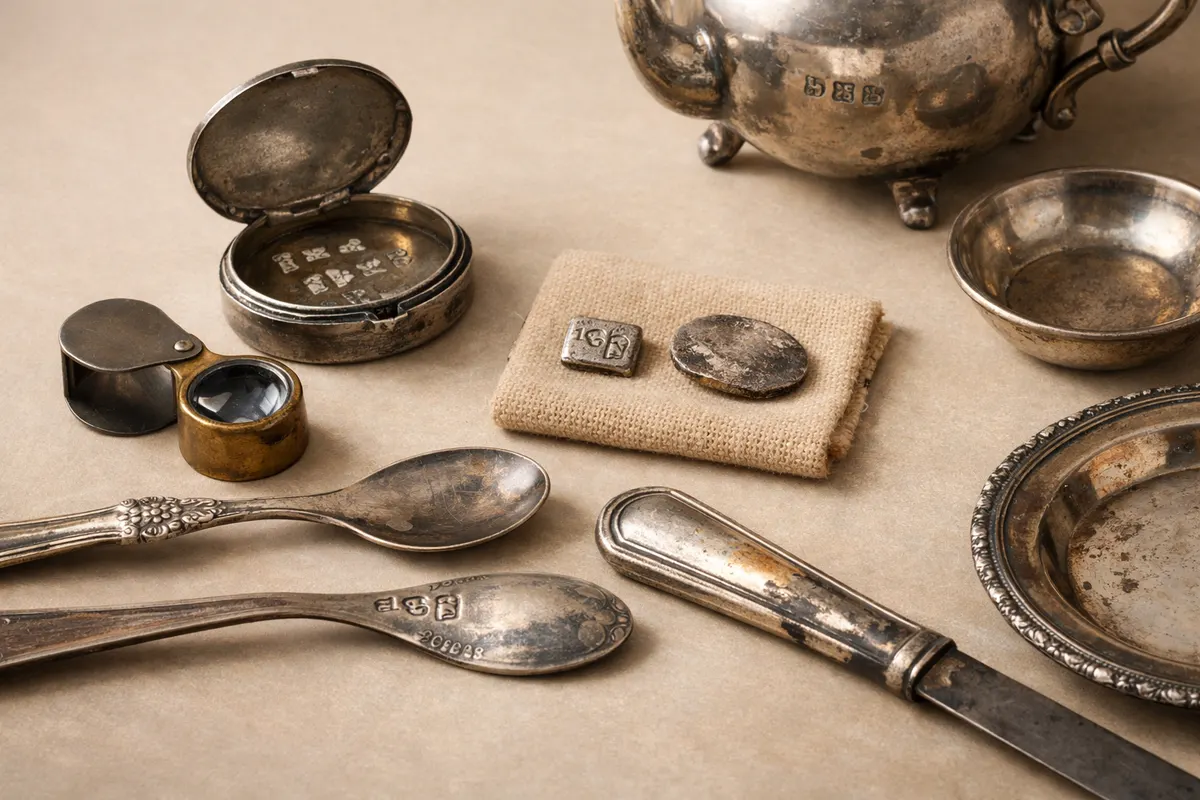
This guide walks through the visible clues, photo angles, and lookalike traps that matter for antique silver marks — and where a photo alone falls short.
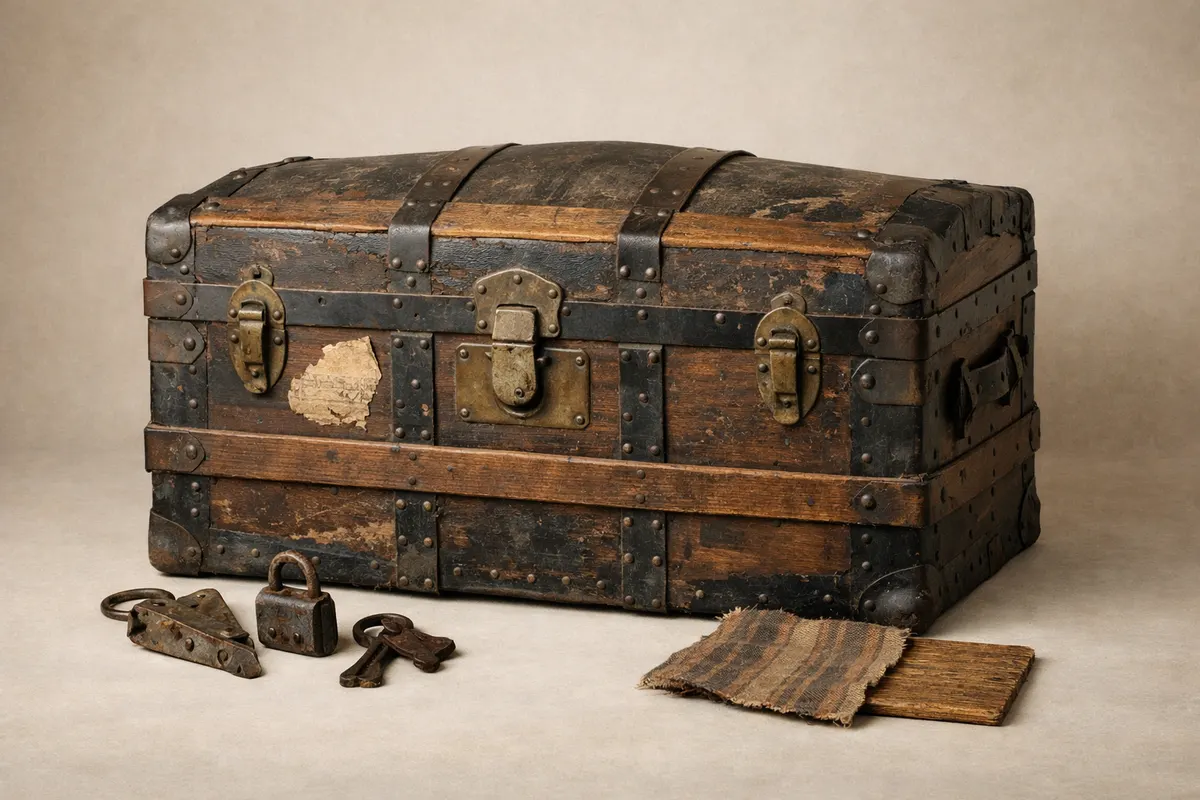
A focused checklist for antique trunk identification using visible clues. Learn which hardware, labels, wood, and fabric details are reliable in photos and how to combine them for safer IDs.
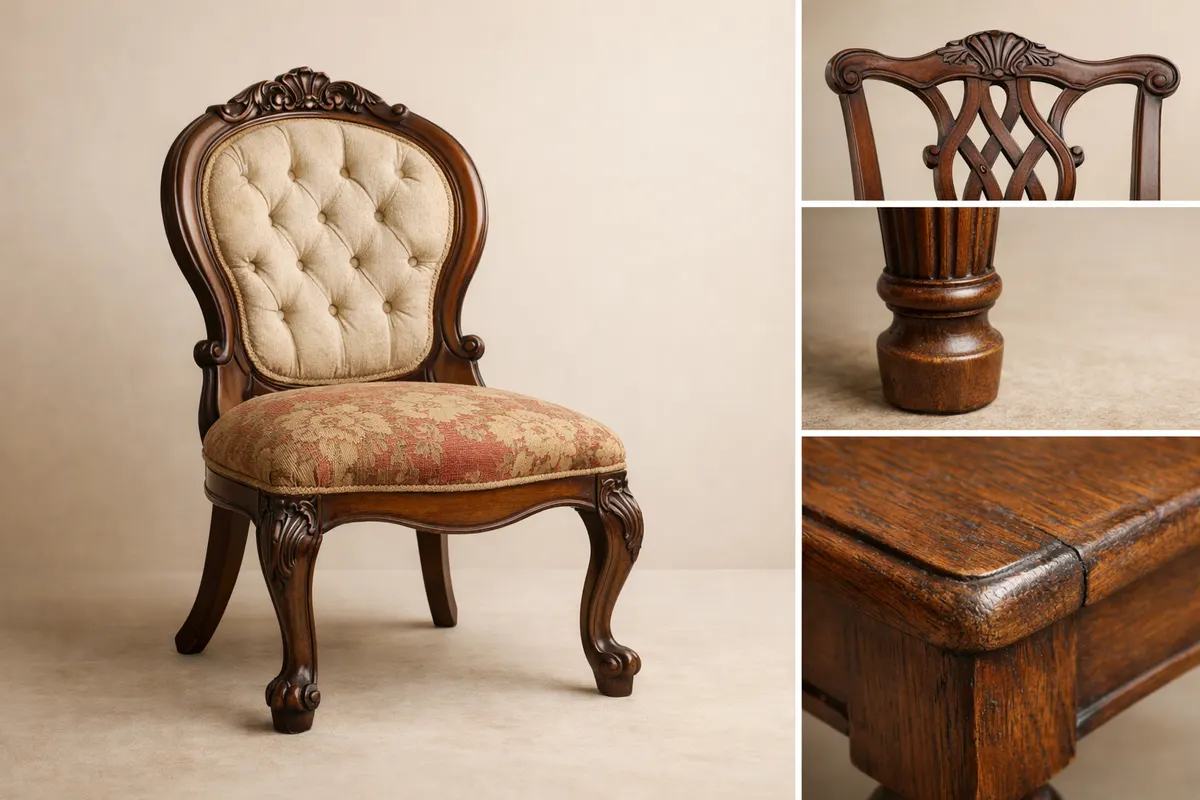
Help readers understand antique chair styles using visible clues, context, comparisons, and safe next steps. A focused checklist covers legs, backs, joinery, wood, common lookalikes, and limits of a single image before verification.
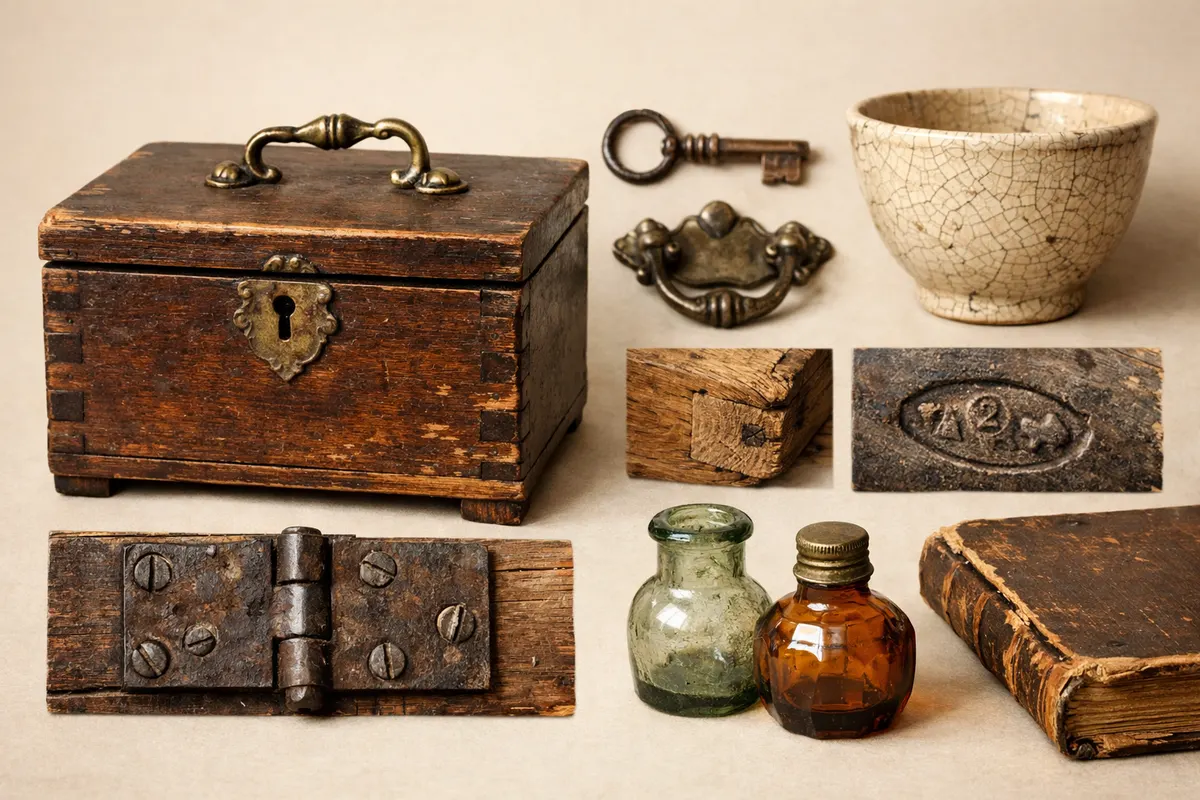
Decide whether an unknown item may be antique with a focused checklist for is this an antique, including visible clues, photo quality, common lookalikes, and the limits of a single image before verification.
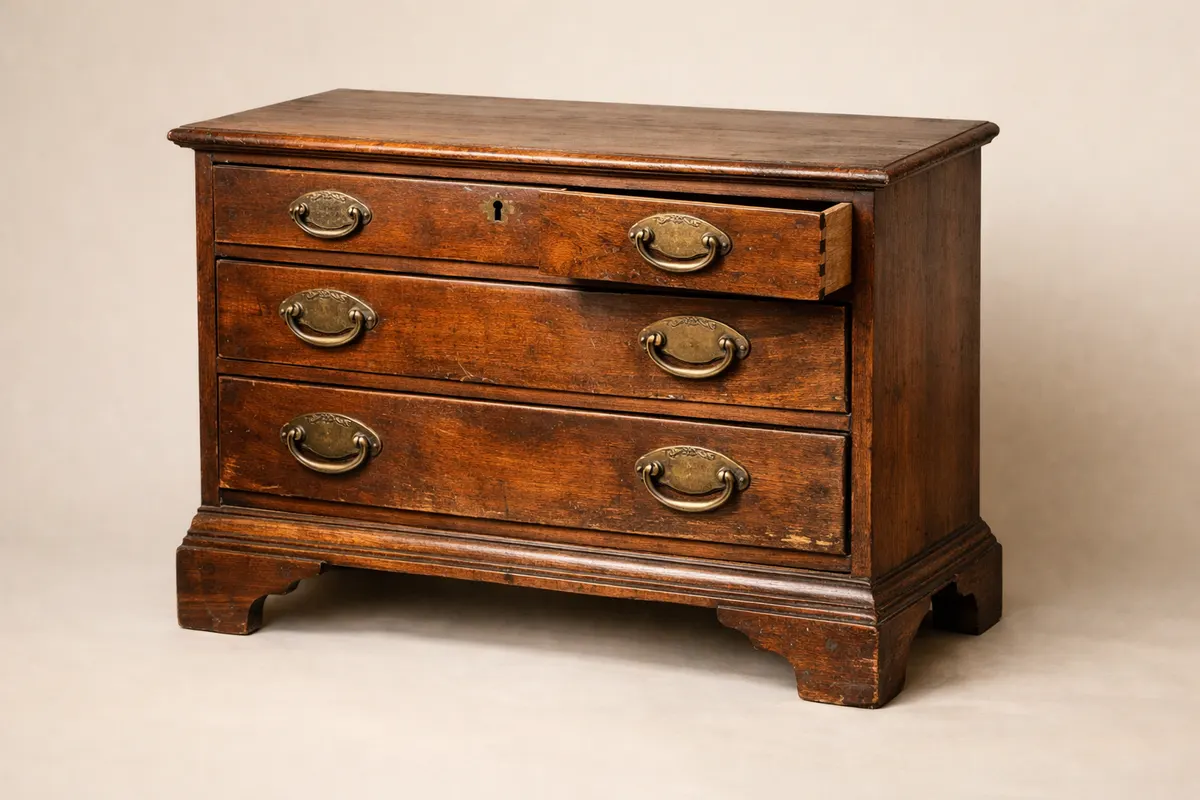
Use visible furniture clues to narrow age, style, and category from photos with a focused checklist for identify antique furniture from photo, including visible clues, photo quality, common lookalikes, and the limits of a single image before verification.
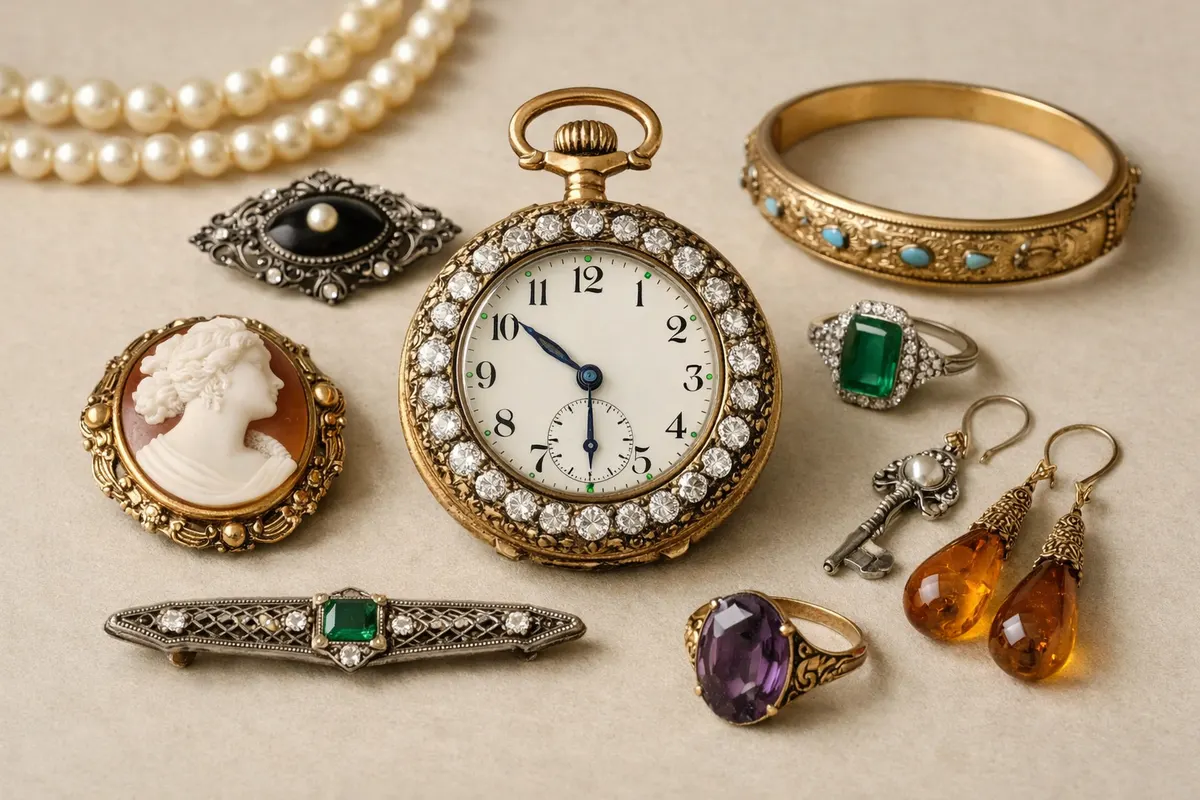
Use photo clues like maker marks, materials, construction, patina, and condition to identify antiques before deeper verification. Follow a structured workflow: document, compare, research, and verify with experts when value or legal questions matter.