Antique Glassware Identification
Antique Glassware Identification: Visual Clues, Examples, and Safe Next Steps
See what a photo can reveal for antique glassware identification, which signals matter, and the sensible follow-up steps after a first pass.
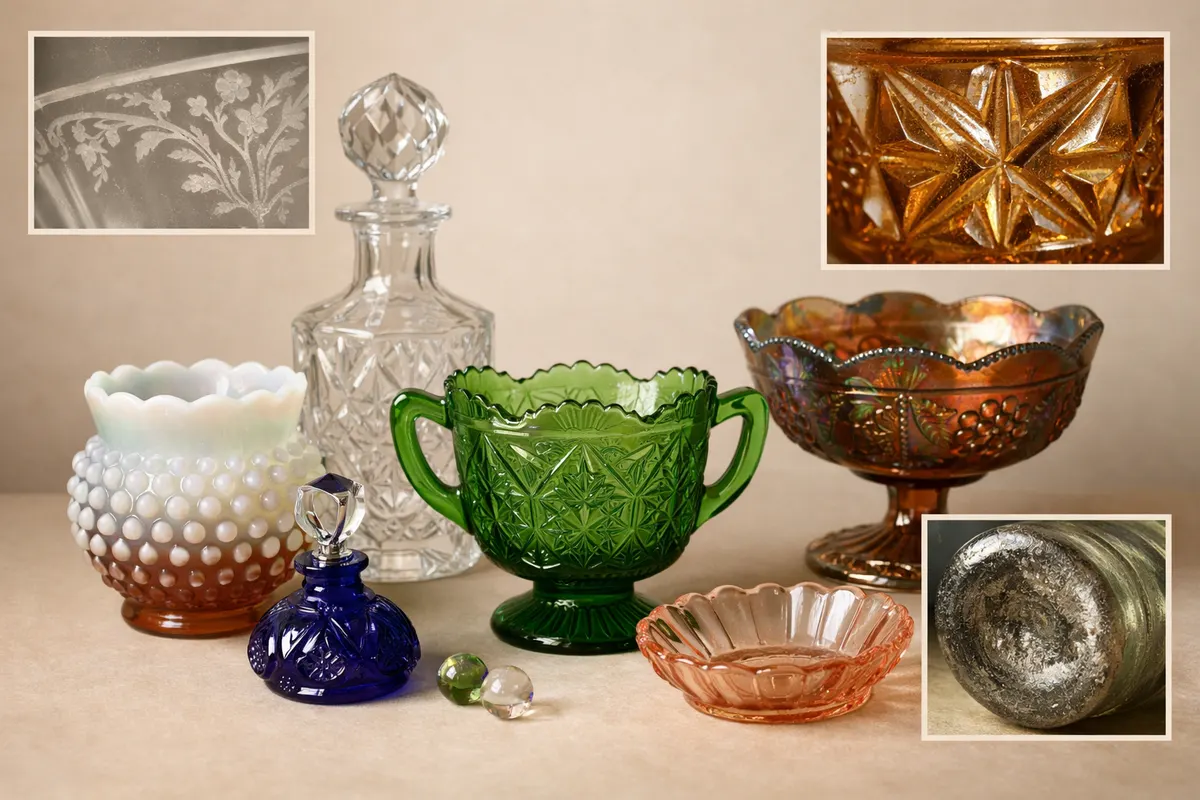
A clear photo is the fastest way to narrow an item's category and rule out modern reproductions when doing antique glassware identification. Images can show color, mold seams, pontil marks, and wear patterns that point to an era or manufacturing technique.
Start with the outcome: a photo-based identification can often isolate item type (vase, bowl, tableware), suggest a production period (late 19th century pressed glass vs. early 20th-century machine-made), and highlight visible maker clues like embossed labels or etched signatures.
Photos can’t guarantee authenticity or fair market value by themselves, but they let you triage which pieces need deeper in-person checks, documentation, or professional appraisal. Treat the app result as a researched first pass, not a final certificate.
After you review the visible clues below, using the Antique Identifier mobile app will generate a concise report you can use to compare against auction listings or curator references.


Real Antique Glassware Identification identifications
View all examples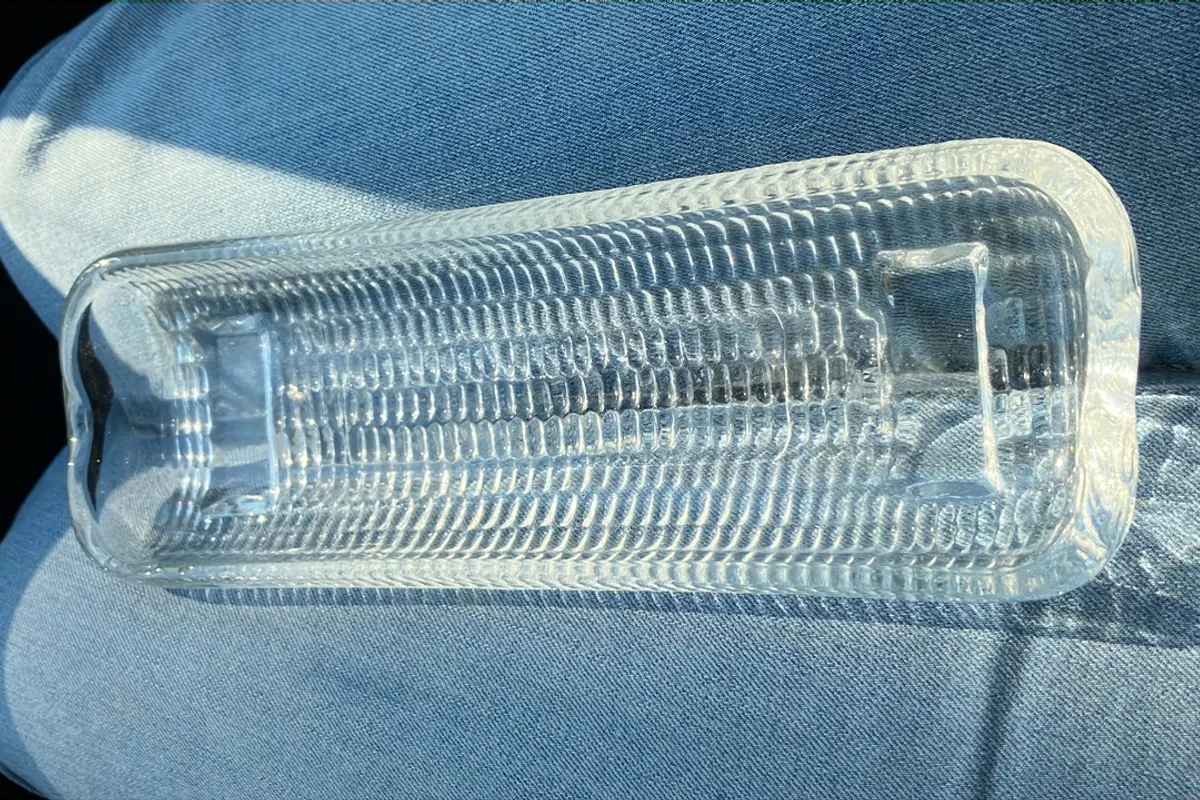
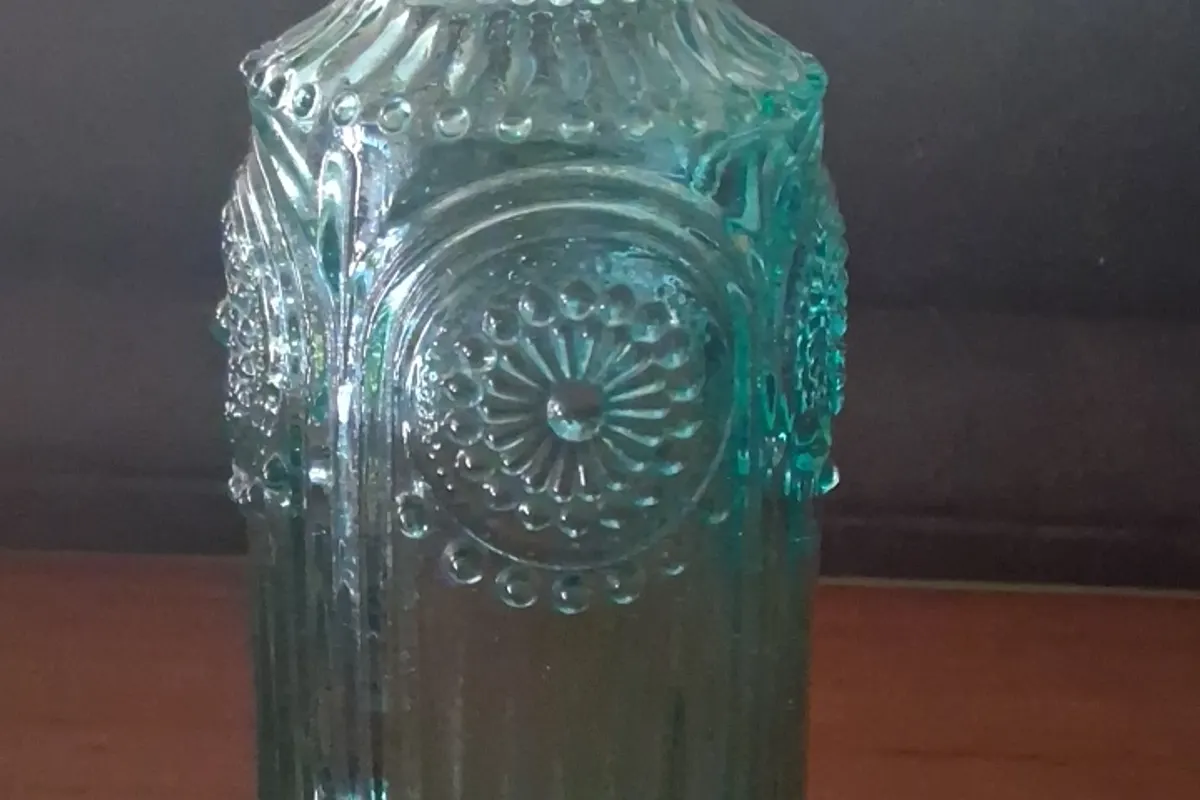
How identification works
Step 1
Snap a photo
Take a clear, well-lit photo of your item in the Antique Identifier By Picture app.
Step 2
Get an instant identification
The app reads the visible clues and returns the closest matches in seconds.
Step 3
Review the details
Compare the result with your photo, review any uncertainty, and check the suggested next steps.
Key visible signals for identifying antique glassware
Before you photograph a piece, check the basic signals that reliably show up in pictures. These are practical checks you can do in minutes and that greatly improve the accuracy of a photo identification.
Pay attention to how the glass was made and how it has aged; several different signals together point to a narrower timeframe than any single mark.
- Color and tint: strong amber, olive, or aqua tints often indicate older glass made with less refined batch ingredients; brilliant clear glass can still be old but look for other clues.
- Seams and mold lines: a continuous seam that extends into the lip suggests machine production (20th century); irregular seams or hand-finished lips indicate earlier mold or free-blown work.
- Pontil scar or ground base: a rough pontil mark on the base typically signals hand-blown 19th-century pieces, while a ground and polished base points to later finishing.
- Wear and abrasion: consistent rim wear, base scratching, and interior patina are signs of long-term use; look for abrasion patterns that match expected use rather than artificial distress.
- Maker marks and labels: raised stamps, embossed names, or paper labels are ideal photo clues—capture them close-up and from multiple angles.
- coffee service identification: photograph the full set arrangement and close-ups of handles and joins; matching seams, identical decoration, and consistent wear help confirm a coordinated coffee service set.
What an antique glassware identification report includes
A standard photo-based report focuses on observable, supportable fields rather than definitive appraisals. Expect item type (for example, 'pressed glass sugar bowl'), a suggested era range, and the likely manufacturing technique based on visible features.
The app will list materials and finish clues—blown, pressed, molded, or cut—and flag maker marks or decoration styles that match known patterns. It also highlights uncertainty, explaining which details are confident and which need hands-on verification.
Results include practical next steps: suggested comparative keywords for marketplaces, recommended specialist checks (provenance paperwork, in-person condition review), and care notes for fragile decorations like gilt or enamel.
- Item summary: probable type and distinguishing features visible in photos.
- Era and technique: concise reasoning (e.g., 'late 1800s, hand-blown, pontil scar present').
- Condition notes: photo-observed chips, repairs, and consistent wear patterns.
- Research links and examples: direct references to similar recorded examples, including the Antique Glass Vase Identification example when relevant.
- Care and handling tips specific to fragile finishes and glued repairs.
Antique bottle identification: commonly confused items
Bottles and other hollowware are often mistaken for older or rarer types because color and surface wear can be deceptively similar across centuries. Photographs can catch the differences—base finishes, lip treatments, and mold seam positions are especially diagnostic.
Below are the most frequent lookalikes for glass bottles and similar items; a single photo can rule some out immediately, while others need more views or in-person checks.
- 19th-century blown medicine bottles vs. later machine-made bottles: look for pontil marks and irregular lips on blown pieces.
- Early soda or beer bottles vs. modern embossed reproductions: seam placement up into the neck is a giveaway for machine-era bottles.
- Blown decorative bottles vs. art glass: decoration executed before annealing and consistent thickness favors art glass; applied decoration or inconsistent glass thickness can indicate hand finishing.
- Small jars and bottles with ground stoppers versus later screw-top conversions—close-up photos of the neck finish resolve most confusion.
Frequently asked questions
How accurate is antique glass bottle identification from a single photo?
A single high-quality photo can reliably show manufacturing clues—like pontil scars, mold seams, and lip finishes—that narrow the likely production method and era. However, one photo seldom proves provenance or market value. If the bottle has labels, repairs, or internal residues that matter for dating, follow-up photos or an in-person inspection will be necessary to confirm the report and rule out restoration.
What limits should I expect from antique glass identification when I only have photos?
Photos reveal visible features—color, seams, pontil marks, and wear—but they can’t detect internal repairs, chemical composition, or provenance documentation. Expect a confidence level in the report tied to image clarity and number of angles provided; the app will flag uncertain fields and recommend hands-on checks when identification hinges on hidden details.
Which repairs or alterations can confuse an antique bottle identification?
Common pitfalls include ground-down pontil scars, replaced stoppers, modern glued chips, and color-matched fillers. These alterations can mimic age-related wear in photos; look for inconsistent surface texture, color shifts at repair boundaries, and tooling marks that don’t match the period technique listed in the report.
How can I photograph a full coffee service identification candidate to get the best app result?
Photograph the entire set arranged together, then take close-ups of handles, maker marks, rims, and bases for each piece. Consistent lighting that shows color without glare, a neutral background, and scale (a ruler or coin) help the app determine whether pieces match and whether decoration or wear patterns indicate a coordinated coffee service.
Related guides
Try a photo ID with the Antique Identifier app
After you check the visible clues above, open the Antique Identifier mobile app to submit clear photos from multiple angles. The app returns a focused report listing likely item type, era, visible maker clues, and recommended next checks so you can decide whether further verification or an appraisal is warranted.