

Art Deco Glass Vase
Estimated value
$50 - $150
Learn which visual clues a photo reveals for antique glass vase identification and which follow-up checks you should do to verify maker and value.
Identification summary
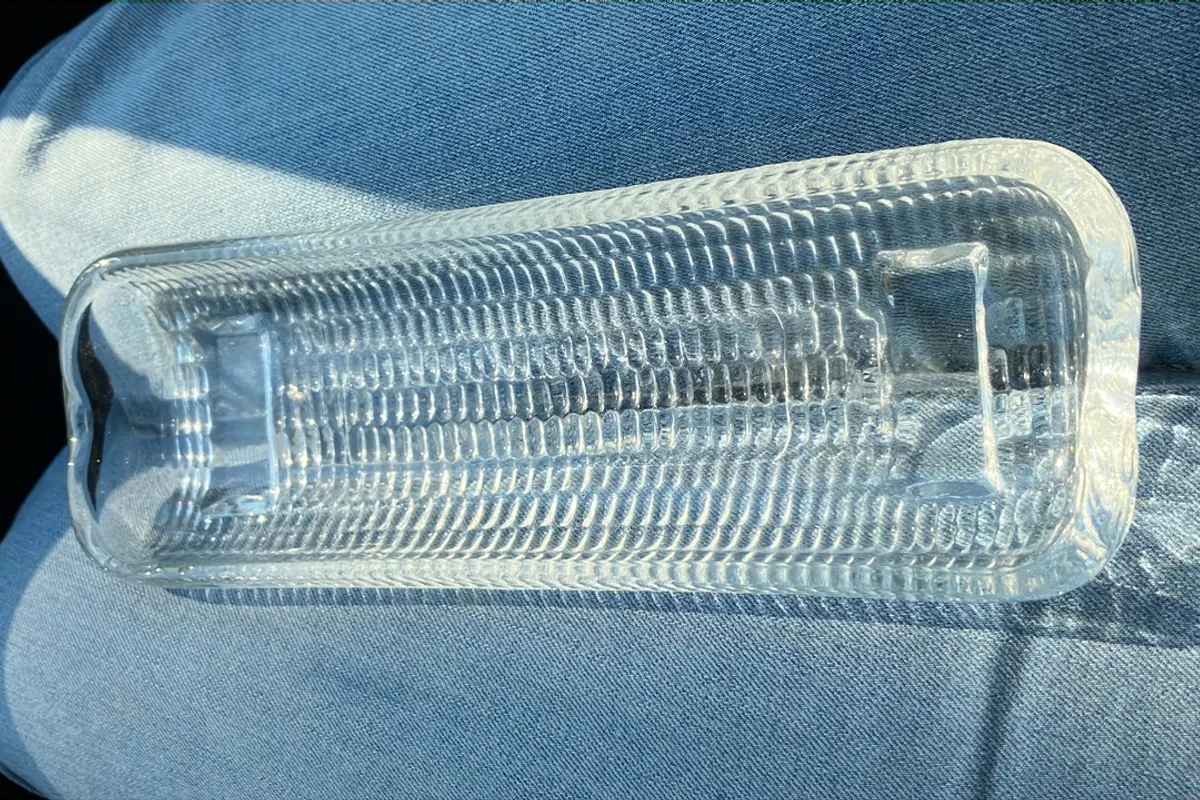
This record presents a single example for antique glass vase identification based on photographic evidence and visible measurements. The vase in the scan is dated to the 1920s-1930s and is tentatively associated with either Czechoslovakia or the United States.
Visible condition is strong: the scan lists the piece as "Excellent, with no visible chips or cracks." Dimensions are recorded as Approximately 10 inches long, 3 inches wide and weight as approx. 1 pound, which fit small decorative vases made for table or mantel display in the early 20th century.
Photographs can narrow era, material, and common origins but cannot alone provide maker authentication or a definitive market grade. The estimated value range here is cautious: $50 - $150, and provenance is unknown.
Era
| Era | 1920s-1930s |
|---|
Origin
| Origin | Czechoslovakia or United States |
|---|
Material
| Material | Glass |
|---|
Condition
| Condition | Excellent, with no visible chips or cracks. |
|---|
Physical Details
| Dimensions | Approximately 10 inches long, 3 inches wide |
|---|---|
| Weight | approx. 1 pound |
Provenance
| Provenance | Unknown |
|---|
Market & Value
| Estimated value | $50 - $150 |
|---|
Rarity
| Rarity | Moderately common |
|---|
Authentication
| Authentication notes | No maker's mark or certificate recorded in supplied scan; photo evidence alone is not conclusive for signature or studio attribution. |
|---|
Historical context
The 1920s–1930s saw both industrial glassworks and studio glassmakers producing decorative vases in small runs. Czechoslovak glassmakers were notable for bright colors and cut decoration, while American firms produced clear and molded decorative shapes for the home market.
A small, elongated shape around 10 inches long suggests a decorative mantel vase rather than a larger floor urn. Similar pieces were often moderately common in estate dispersals, which matches the recorded rarity and conservative value estimate.
Keep identifying
Read the full category guide for the visual clues behind this identification.
Antique Glassware Identification: Visual Clues, Examples, and Safe Next StepsRelated guides
Have your own antique glassware identification identified
After reviewing this example, use Antique Identifier to sort your photos on your device, tag visible clues like base, rim, and seams, and compare them to documented examples. The app helps you keep visual evidence organized and ready for a specialist review when you need more certainty. Learn more about Antique Identifier on the product page.
Take the next step →Frequently asked questions
How certain is an identification based only on photos?
Photos can be highly useful for antique glass vase identification of era, material, and condition, but they rarely provide conclusive maker authentication. Close physical inspection, provenance, and maker marks are needed for higher-confidence attributions.
What photos help improve identification accuracy?
Take clear shots of the rim, base, full profile, any seams or pontil marks, and a close detail of surface patterns. A photo with a ruler or coin for scale and one of any labels or stickers also improves comparison quality.
Does the reported value here mean the vase will sell for that amount?
The estimated value $50 - $150 is a cautious retail-range estimate based on condition and the scan's stated attributes. Actual sale prices vary by market, provenance, and buyer interest; this is not an appraisal.
What are the next steps if I want more certainty about this vase?
Compare additional photos to reference examples, seek hands-on inspection from a specialist for maker marks or testing, and gather any provenance documents. Use organized photo tools to track comparisons and notes before paying for paid appraisal services.