

Vintage Glass Bottle
Estimated value
$15 - $50
This bottle identification example explains which photo details are decisive, which require more checks, and how to compare visible clues conservatively.
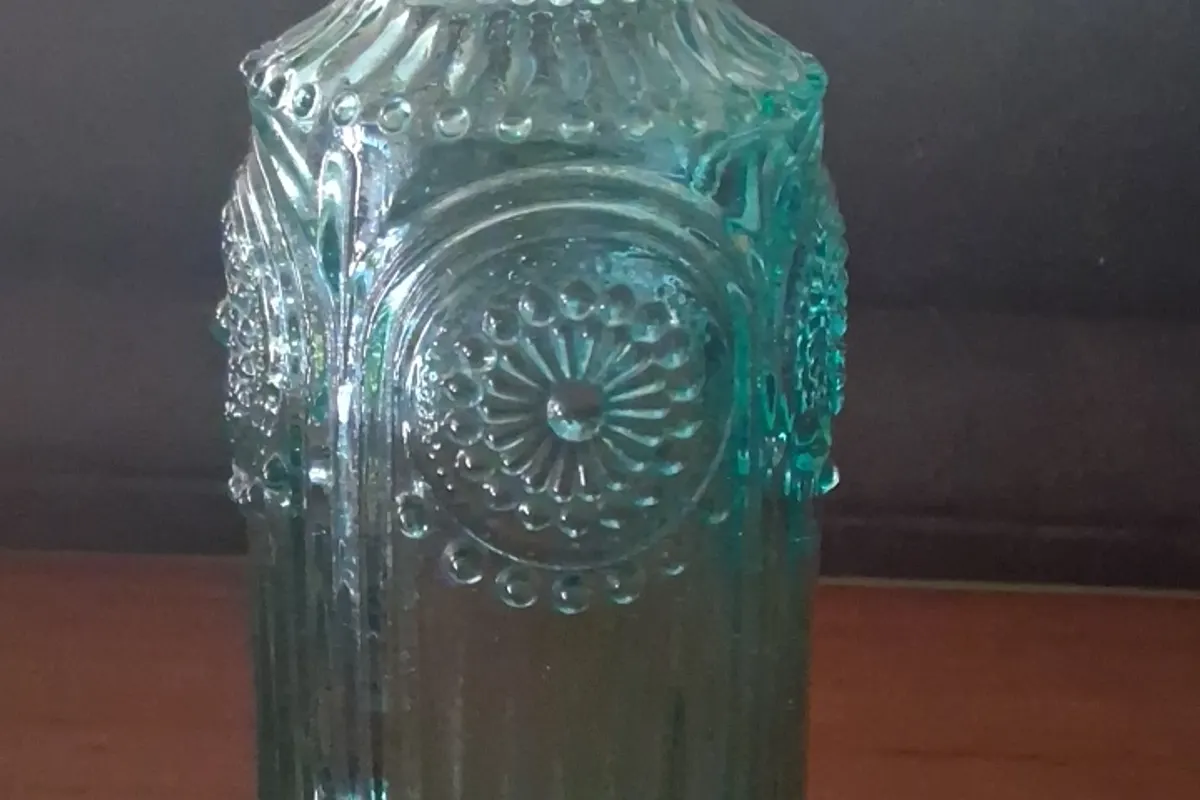
Identification summary
This record presents a specific bottle identification based on the supplied scan fields. The scan reports Era: 20th century, Origin: Unknown, Material: Glass, and Condition: Good, with some minor surface scratches. Dimensions are listed as Approximately 8 inches tall and Weight as Approx. 1 pound.
Reported provenance is Unknown and the scan gives a Rarity of Low to moderate with an Estimated value of $15 - $50. These values come from the scanned metadata and should be treated as a starting point — they do not replace an in-person appraisal or provenance research.
For bottle identification, the recorded attributes narrow possibilities but leave open key questions that photographs alone cannot answer, such as manufacturing technique details under the lip, maker's marks that require close inspection, and any internal residues or concealed repairs.
Era & Origin
| Era | 20th century |
|---|---|
| Origin | Unknown |
Material & Physical
| Material | Glass |
|---|---|
| Dimensions | Approximately 8 inches tall |
| Weight | Approx. 1 pound |
Condition
| Condition | Good, with some minor surface scratches |
|---|
Provenance & Rarity
| Provenance | Unknown |
|---|---|
| Rarity | Low to moderate |
Valuation
| Estimated value | $15 - $50 |
|---|
Scan metadata
| Identified at | 2026-10-05T18:00:26.070Z |
|---|
Historical context
Glass bottle designs in the 20th century range widely from factory-produced soda and medicine bottles to small decorative and utilitarian containers. The scan's '20th century' era grouping suggests mass-manufacture techniques may apply, but does not identify a maker.
The listed low to moderate rarity and modest estimated value align with many common 20th-century bottles. Provenance listed as Unknown leaves open the possibility of later reconstruction, labelling removal, or later market reusing.
More Antique Glassware Identification identifications
Keep identifying
Read the full category guide for the visual clues behind this identification.
Antique Glassware Identification: Visual Clues, Examples, and Safe Next StepsRelated guides
Have your own antique glassware identification identified
After reviewing this bottle identification example, consider using Antique Identifier on your phone to organize related photos, compare recorded attributes side-by-side, and keep a checklist of follow-up checks. The app can help you collect the visual clues you’ll need for a next-step inspection or a specialist consultation, without promising appraisal or authenticity.
Take the next step →Frequently asked questions
How reliable is a scan-reported era if the origin is unknown?
A scan-reported era like '20th century' is a useful starting point but broad; it narrows methods and likely design families but cannot replace an inspection for maker’s marks, mold seams, or other hands-on evidence that identify origin more precisely.
What follow-up checks are reasonable when provenance is unknown?
Reasonable checks include looking for base marks under magnification, checking seam termination at the lip, comparing dimensions to known type examples, and consulting documentary records. These steps help assess whether the scan's unknown provenance is a resolvable gap or a longer research task.
Can minor surface scratches affect the bottle’s identification or value?
Minor surface scratches mainly affect cosmetic condition and resale expectations; they rarely change maker attribution. However, scratches can hide printed or etched marks, so cleaning (conservatively) and inspection are prudent before concluding identification.
When should I bring a scanned bottle to a specialist for a physical exam?
Seek a specialist if the bottle has potential maker marks, unusual features, or a provenance claim that warrants verification. A specialist can perform hands-on checks, test for hidden repairs, and review historical records that a photo-based scan cannot fully resolve.