

Chinese Antique Porcelain Vase
Estimated value
$200 - $500
Practical antique vase identification: which photo clues are reliable, which require follow-up, and how to prioritize checks before relying on an answer.
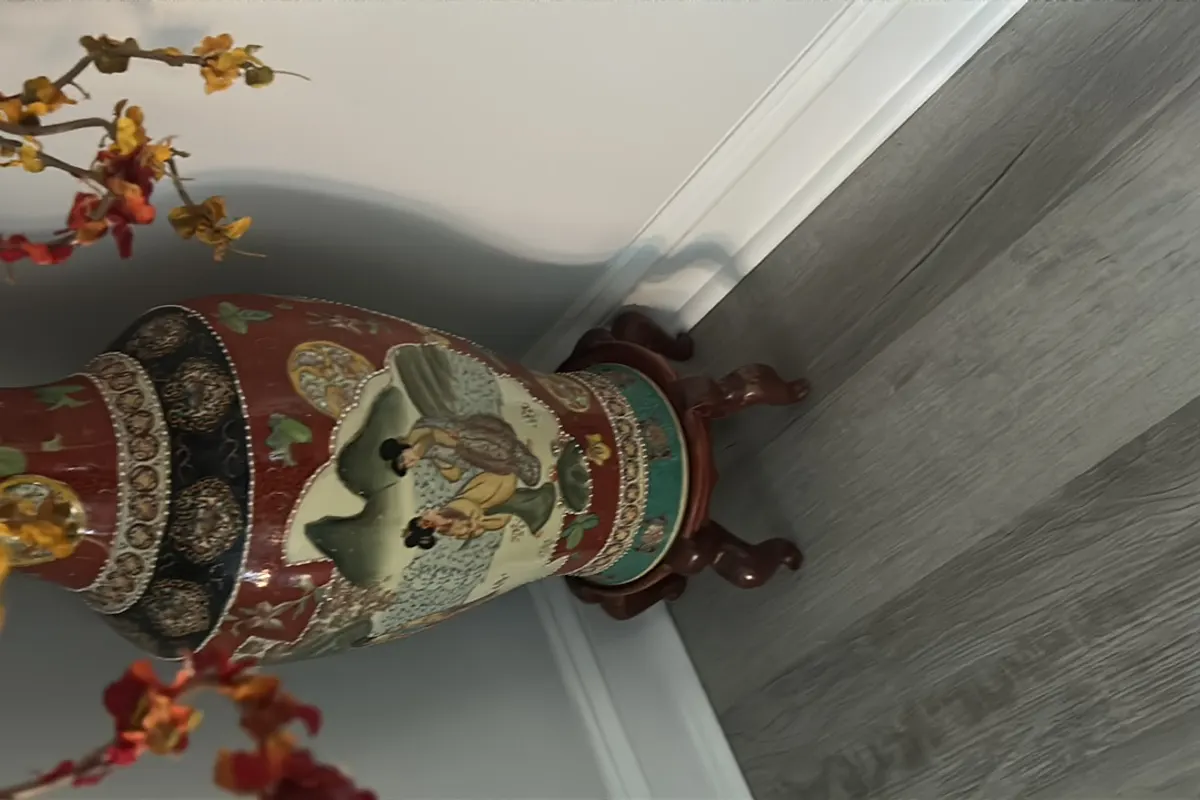
Identification summary
This identification result summarizes a single item reported by a scan: Era is listed as 19th to early 20th century and Origin is China. The scan records the Material as porcelain with painted decoration and notes the Condition as "Excellent, with minor signs of age and wear."
Reported physical details list Dimensions as "Approx. 24 inches tall including stand" and Weight as "Approximately 4-6 pounds." Provenance is given as a private collection, imported from China in the early 20th century. The scan assigns a Rarity of "Moderate to high, depending on provenance and specific details" and an Estimated value of "$200 - $500."
This summary is based on the scan data above; the report does not supply a numeric confidence score and does not itself confirm maker marks, in-factory repairs, or laboratory authentication. Use the reported fields as starting evidence to guide conservative next checks rather than a final appraisal.
Era
| Reported era | 19th to early 20th century |
|---|
Origin
| Reported origin | China |
|---|
Material
| Reported material | porcelain with painted decoration |
|---|
Condition
| Reported condition | Excellent, with minor signs of age and wear |
|---|
Physical Details
| Dimensions and weight | Approx. 24 inches tall including stand; Approximately 4-6 pounds |
|---|
Provenance
| Reported provenance | Private collection, imported from China in the early 20th century |
|---|
Rarity
| Reported rarity | Moderate to high, depending on provenance and specific details |
|---|
Estimated Value
| Reported estimated value | $200 - $500 |
|---|
Authentication
| Scan limitations | No maker's mark confirmation or lab tests provided by the scan; photographic evidence alone cannot prove factory attribution or concealed restoration. |
|---|
Record
| Identification timestamp | 2026-10-21T13:04:57.736Z |
|---|
Historical context
Reported era and origin place this piece within the period when Chinese export porcelain and domestic decorative wares circulated widely to Western collectors, particularly in the late Qing and early Republican eras.
The scan's provenance note—imported from China in the early 20th century—aligns with many pieces that entered private collections then, but provenance statements in a scan do not substitute for bills of sale, customs records, or other documentary proof.
More Antique Glassware Identification identifications
Keep identifying
Read the full category guide for the visual clues behind this identification.
Antique Glassware Identification: Visual Clues, Examples, and Safe Next StepsRelated guides
Have your own antique glassware identification identified
After reviewing this example, use Antique Identifier to organize your photos and compare the scan-reported clues with your images. Treat the app as a first-pass way to gather and sort evidence, then follow up with mark checks, provenance documents, or a specialist. Learn more about next steps and valuation checks at https://antiqueidentifierbypicture.app/tools/what-is-my-antique-worth.
Take the next step →Frequently asked questions
How certain is this antique vase identification from photos alone?
Photos and scans are helpful to record reported attributes, but they cannot prove maker marks, hidden repairs, or chemical composition. The scan lists era, origin, and a value range, yet certainty requires mark verification, condition inspection, and provenance documents.
What follow-up checks should I do to confirm the reported era and origin?
Ask for close images of the base and any marks, seek comparative references in period catalogues, and consider an in-person condition check. Provenance paperwork and, where appropriate, specialist laboratory tests give greater confirmation than photos alone.
If the scan says the condition is excellent, does that mean the vase has no repairs?
Not necessarily. "Excellent, with minor signs of age and wear" signals good surface condition in the scan, but some repairs—especially expertly done ones—can be hard to spot in photos. Request targeted close-ups or a conservator’s report to rule out concealed restoration.
How should I care for a porcelain vase identified like this while I verify its provenance?
Handle sparingly, support the base rather than the neck, keep it away from direct sunlight and rapid humidity shifts, and avoid DIY cleaning. Document current condition with dated photos and notes before any transport or professional inspection.